
A calling that
refused to be lost.
« You will never be a doctor. »
Pablo Vega grew up in Verín, Ourense. In 2019 he didn't get a place to study Medicine in Spain — not for want of calling, but because the entrance cutoff left him just short of the threshold. His mother had walked a similar path: today she is a nurse in Spain, but she had studied her degree in Portugal — something that, from a very early age, taught Pablo the value of an international experience.
The phrase that gives this story its title was said to him by a secondary school teacher, and it stayed with him forever. Far from discouraging him, it became the very push to look for an opportunity abroad. Studying Medicine in Poland was, in his own words, a turning point in his life.
The process itself, however, was an administrative odyssey: lack of information, trips back and forth, confusing paperwork, and plenty of uncertainty. Even so, he secured his place and moved abroad to fulfil his dream.
During his degree, he realised he could turn that experience into something bigger. He decided to sacrifice his own medical vocation to help thousands of students and families access international studies without going through the same hardships. In 2021 he founded International Medicine Group.
Today, although he has finished his Medicine degree, he does not practise as a doctor. He devotes all his energy to improving the system and opening up opportunities for those who dream of studying abroad.
Each year, thousands of medical vocations lost to a decimal point
In Spain, the minimum cutoff at top public medical schools exceeds 13.3 out of 14. Around 60,000 students compete each year for approximately 7,000 places at public universities. And even for those who make it through to the MIR residency exam, in 2024–2025 there were 6,103 qualified medical graduates left without a residency place.
To put that in concrete terms: 95% of the students guided by IMG secure a place at a European medical school with an EU-recognised degree (internal IMG data, from over 1,500 cases since 2021). By contrast, a student just below the cutoff is effectively shut out of the public system for that year — with no meaningful second chance.
France
The model crosses the border
In 2024, a family from Toulouse reached out to IMG after several failed attempts through the French PASS system. Their daughter Agathe had the academic record, the drive, and the calling — but fell short by half a point. She went on to enrol at Comenius University in Bratislava. That meeting gave birth to IMG France: the same bottleneck that was closing doors on gifted students in Spain was doing exactly the same thing across the Pyrenees.
Today IMG operates in France, Spain, and Portugal with local teams, in-house certified translations, and a consolidated network spanning 12 EU countries.
A consolidated network across the EU
IMG is present in 12 countries of the European Union. The team is made up largely of former students and practising physicians who walked this same path themselves. In 2025 we launched a proprietary exam-preparation platform through which our students improved their entrance test scores by an average of 40%.
No calling should be lost for want of an opportunity
« What angers me is that we are not even fighting to earn our degree — we are fighting just to be allowed to prove we are capable. Nobody hands you the years of hard work that lie ahead. Nobody. And yet the public system believes that a single entrance exam score is enough to decide who will make a good doctor. We believe a calling is something you carry within you from the very start. It only needs one thing: to finally be given the chance to show itself. »
— Pablo Vega, founder
Our commitment: making a difference in global health
From the very beginning of IMG, we were absolutely certain that we wanted to make a real difference in global health. And since we believe education is the foundation of all meaningful change, we chose to invest first in international medical education.
Along that path, we have forged connections between international higher education and the genuine opportunity to study medicine — for students who share one thing in common: a calling. That has been our purpose from day one, and it defines, at the deepest level, who we are.
We now operate in several countries. In each one, we allocate a share of our revenues toward two goals: addressing a specific public health challenge in that country, and actively supporting scientific research and the development of its healthcare system.
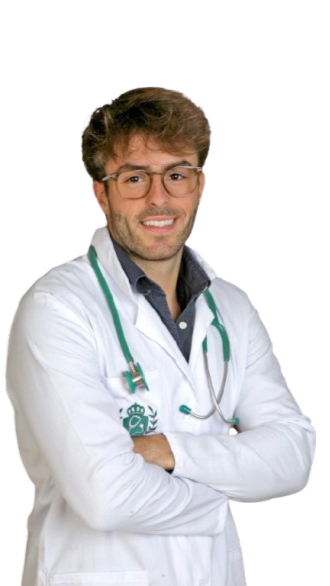
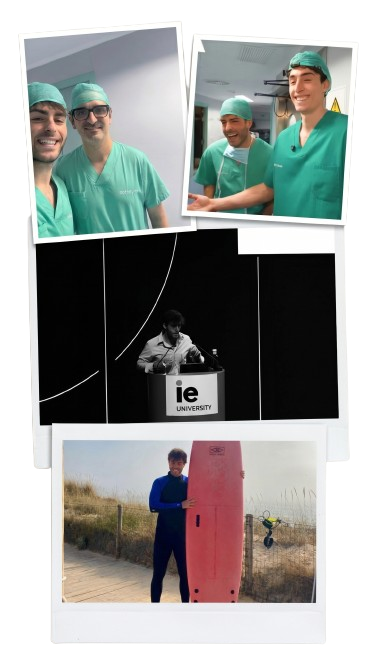
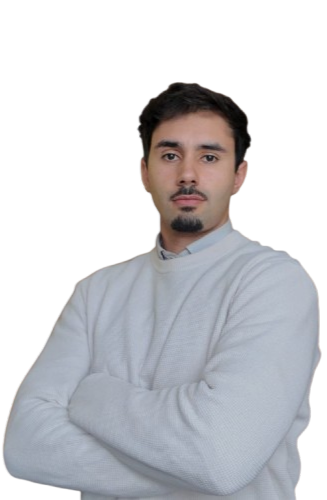
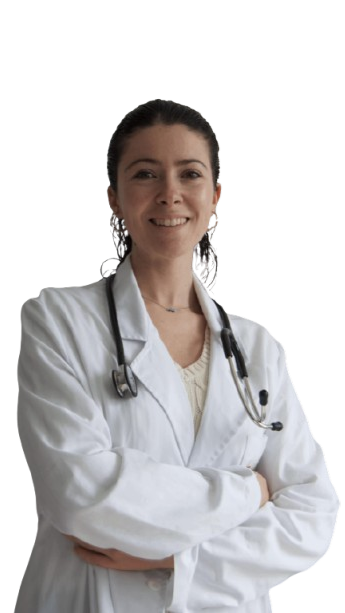
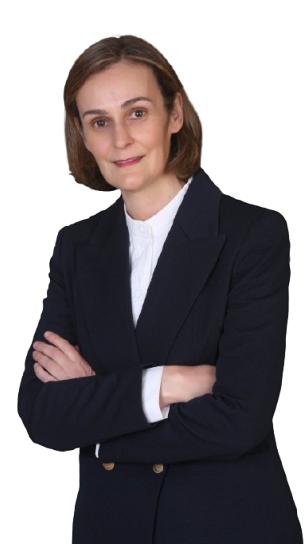
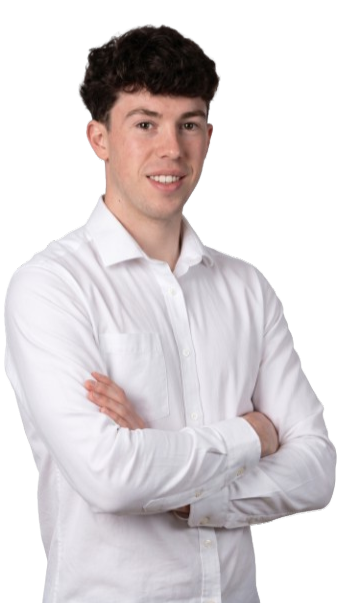
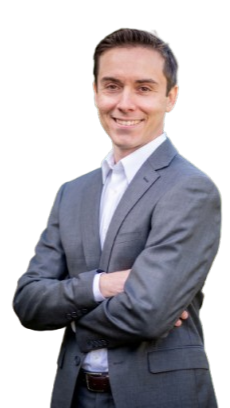
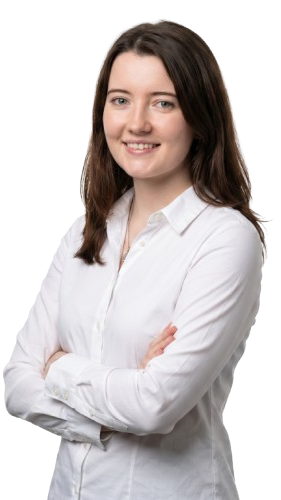
The people behind IMG.




Our story in the media.
A selection of recent interviews and features. Each card links to the original source.
Pablo Vega: «The Spanish medical school selection system is leaving out young people with a real calling for the profession»
«Students with a real vocation are giving up because of the high entrance cutoffs, while Spain faces a growing shortage of doctors»
«A grade does not define your calling or your future»
Interview with Pablo Vega Dos Santos, General Director of Medicina por Europa
Ready to write your own story? Talk to our European team.